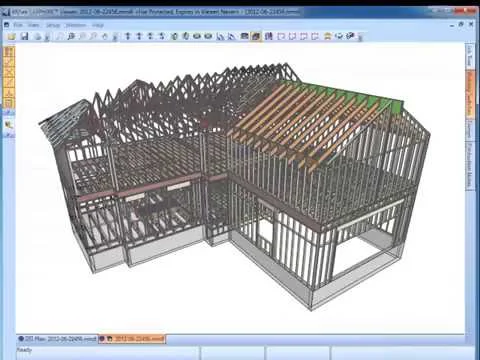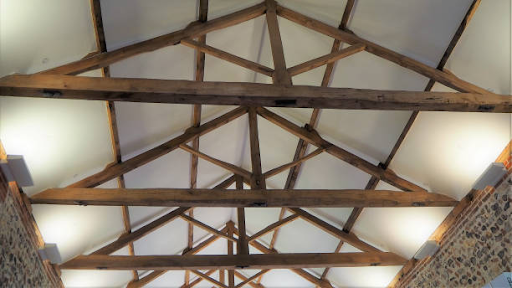
A contractor once lost nearly fifteen thousand dollars over missing drywall quantities. The project looked fine during bidding. Numbers seemed close enough. Then, material orders started changing halfway through the build. Labor hours stretched longer than expected. Extra deliveries kept arriving every week.
Nothing dramatic caused the problem. Small misses stacked together quietly.
That happens on construction projects more often than people admit. A rushed estimate here. A missing detail there. Most budget problems start long before crews unload equipment on-site.
Good planning changes that completely. Strong estimating gives builders a clearer picture before work begins. Teams know what materials are needed, how much labor makes sense, and where costs may start drifting later. That is why quantity surveying and estimating matter so much in modern construction work.
At Drafting Consultants, the goal stays simple. Help contractors avoid expensive surprises before those problems reach the field.
Many contractors think budget problems happen during construction. In reality, most issues begin during preconstruction when numbers move too quickly.
A set of incomplete drawings arrives late. Someone rushes through takeoffs before bid submission. Material quantities get rounded just to save time. The project gets awarded anyway. Then the pressure starts showing up later.
One framing adjustment changes drywall quantities. Mechanical layouts shift slightly. Concrete volumes increase without anyone catching it early enough.
A skilled quantity surveyor slows that process down and studies the full scope carefully. Every material count, labor assumption, and drawing detail gets reviewed before pricing moves forward.
That extra attention saves money because construction mistakes rarely stay small once work begins.
Winning projects feel great until the numbers stop working halfway through construction.
Some bids look competitive at first because important costs were never made into the estimate. A contractor may forget waste factors. Labor production rates might stay unrealistic. Equipment costs sometimes get underestimated just to stay aggressive during bidding.
Then profit margins disappear during the actual build.
A professional cost estimator looks deeper than surface pricing. Site access, crew efficiency, material movement, subcontractor coordination, and scheduling pressure all affect real construction costs.
Reliable construction estimating services help contractors:
Clear numbers also create smoother conversations with clients because expectations stay realistic from the beginning.
Bad drawings quietly create expensive construction problems.
A missing wall dimension may seem harmless inside an office. On-site, that missing detail can delay framing crews, affect takeoffs, and create change orders nobody planned for.
Estimators rely heavily on drawing quality during budgeting. Clear plans improve material calculations and reduce scope confusion before construction starts, moving fast.
Professional CAD drawing services help contractors organize project information properly before estimating begins. Better drawings create cleaner takeoffs, smoother coordination, and fewer surprises during field work.
Many growing contractors also use CAD drafting outsourcing because internal teams already juggle scheduling, procurement, meetings, and active site management daily.
Drafting Consultants supports that workflow by helping contractors keep estimating and drafting connected instead of treating both services separately.
Waste rarely looks dangerous during the early stages of a project. A few extra studs here. Additional flooring material there. Small overorders feel harmless at first.
Then those costs start piling up across multiple trades.
One estimator shared a story about a project that ordered nearly eight percent more ceiling material than necessary because quantities were copied from an older revision set. Nobody noticed until storage space started running out on-site.
Detailed takeoffs help prevent those problems.
Strong quantity reviews improve purchasing decisions and help contractors order materials closer to actual project needs. That creates better budget control without slowing construction progress.
This is where cost estimating becomes practical instead of theoretical. Good estimating protects money in real job-site situations.
Experienced estimators usually review:
Every accurate number helps projects stay cleaner financially later.
Construction projects never stay frozen from start to finish.
Clients request revisions after approvals. Engineers update layouts mid-project. Suppliers change pricing with little warning. Those changes become stressful when budgets already feel loose.
One revision may affect several trades at the same time. Suddenly, labor schedules shift, purchase orders change, and subcontractors start asking new questions.
That is where organized estimating becomes valuable during active construction.
Strong estimate and quantity surveying systems help contractors adjust quickly without losing visibility over project costs. Teams understand what changed, how pricing moved, and where financial pressure may appear next.
That level of control matters heavily during commercial work where timelines already stay tight.
Construction rarely gives teams unlimited time to think.
Bid deadlines move quickly. Clients ask for revisions overnight. Suppliers update pricing constantly. Contractors need answers fast without sacrificing accuracy.
Organized estimating systems make that easier because project data stays structured from the beginning.
Fast estimating support helps contractors:
Good budgeting also improves trust with project owners because everyone sees the same numbers early instead of discovering surprises later.
Modern software has improved estimating speed across the construction industry. Digital takeoffs help estimators review plans faster and organize quantities more efficiently.
Still, software alone solves very little.
Experienced estimators still matter because construction work changes constantly between drawings and real field conditions. Practical experience helps estimators notice gaps that software may completely miss.
Professional estimating and quantity surveying services work best when technology and construction knowledge support each other together.
That balance helps contractors avoid expensive assumptions before projects reach active construction stages.
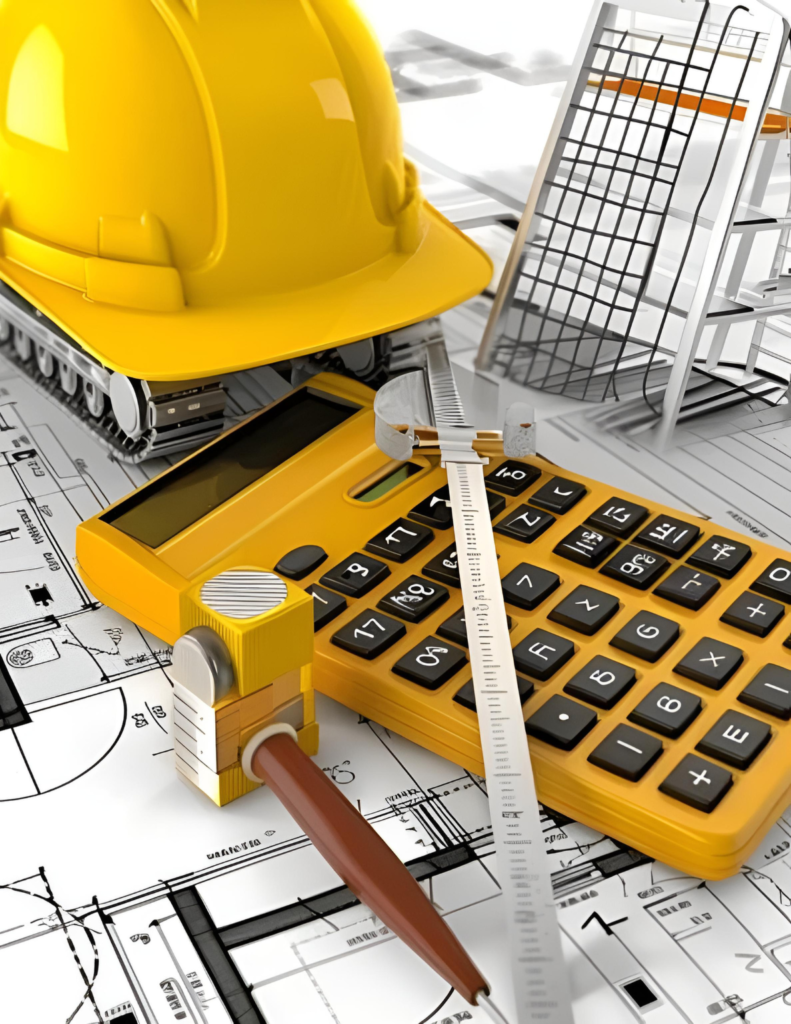
Construction costs move faster now than most contractors expect. Material pricing changes quickly. Labor shortages continue affecting schedules across multiple trades. One weak estimate can create pressure throughout the entire project.
That is why planning matters more today than ever before.
Good contractors already understand this. Strong budgeting no longer feels optional during competitive bidding environments. Better planning protects schedules, improves purchasing decisions, and creates more stable projects overall.
The goal is simple. Fewer surprises. Better control. Cleaner projects.
Most construction budget problems begin quietly. A missed quantity. An outdated drawing. A rushed estimate before bid submission. Those small gaps eventually turn into expensive site problems later.
Strong quantity surveying and estimating help contractors catch those issues early before money starts slipping away during construction. Better planning creates stronger budgets, cleaner purchasing decisions, and smoother project coordination from beginning to completion.
Drafting Consultants works closely with contractors who want more than just numbers on a spreadsheet. The focus stays on building smarter workflows, cleaner estimates, and better project visibility before construction pressure starts building.
Ready to plan your next project with better cost control?
Connect with Drafting Consultants and start building smarter.
What is quantity surveying in construction?
Quantity surveying and estimating help contractors understand project costs before construction begins. A quantity surveyor reviews drawings, labor needs, material quantities, and project scope carefully before budgeting starts. That process improves financial planning and reduces waste during active construction work. Better quantity tracking also helps contractors manage procurement, scheduling, and supplier coordination more effectively.
How does cost estimating help control project budgets?
A detailed estimate gives contractors a clearer understanding of expected construction costs before work begins. A professional cost estimator studies labor production, material pricing, subcontractor scope, and equipment expenses carefully during budgeting. Accurate estimates improve financial control and reduce unexpected spending during construction phases. Clear budgeting also creates smoother communication between clients, suppliers, and project teams.
Why is accurate quantity takeoff important in construction?
Accurate quantity takeoffs help contractors purchase materials closer to actual project requirements. Better takeoffs reduce unnecessary waste, improve storage planning, and prevent ordering delays during construction. Strong quantity reviews also improve budget tracking because contractors understand exactly where materials are being used throughout the project lifecycle.
Can quantity surveying reduce cost overruns?
Yes, strong quantity surveying improves cost visibility before and during construction work. Better quantity tracking helps contractors identify financial pressure earlier instead of reacting after budgets already drift upward. Organized estimating also improves labor scheduling, purchasing decisions, and supplier coordination throughout active project phases.
When should estimating services be used in a project?
Estimating services work best during early project planning before bidding and procurement begin. Early budgeting gives contractors a better understanding of labor needs, material pricing, and project feasibility before major decisions happen. Estimators also support design revisions and pricing updates later during active construction phases.