A few years ago, steel selection rarely became a boardroom discussion. Developers focused on budgets. Fabricators focused on production. Detailers focused on drawings. As long as a project stayed on schedule and within budget, most teams considered the process successful.
Investors are asking new questions. Owners want proof of sustainability efforts. Manufacturers are being pushed to track materials more closely. Some contractors are even seeing project requirements tied to carbon reduction goals and supply chain transparency. Green steel sits right in the middle of this shift.
The steel itself is only part of the story. The bigger challenge is the information that comes with it. Even companies searching for steel detailing near me are starting to realize that project success depends on much more than producing drawings. Material traceability, procurement records, fabrication coordination, and waste reduction are becoming part of project discussions much earlier than before.
For construction companies, developers, and investors, this creates a new reality. A detailing process built for yesterday's projects may struggle with tomorrow's expectations.
At Drafting Consultants, we see this as more than a sustainability trend. It is a workflow challenge. The firms that adapt early will have better visibility into costs, stronger project control, and fewer surprises during fabrication and construction.
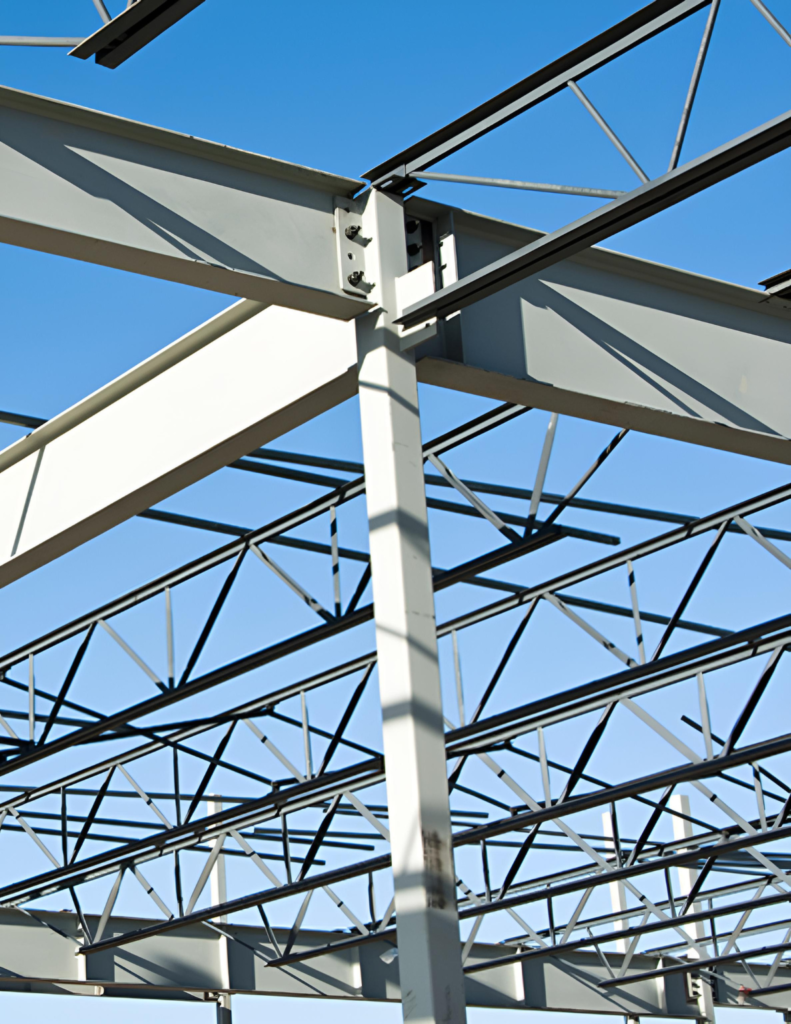
Imagine a developer planning a large commercial project. The financing is approved. The project team is assembled. Procurement discussions begin. Then a request arrives asking for more detailed information about material sourcing and environmental impact.
Five years ago, that request may have been unusual. Today, it is becoming more common.
Many investors and project owners want a clearer picture of where materials come from and how construction decisions affect long-term sustainability goals. Green steel has become one of the ways companies are responding.
The result is simple. Construction projects now involve more information, more documentation, and more accountability than before.
Most articles stop at emissions. That misses the bigger business story.
Green steel introduces new expectations around tracking and reporting. Project teams may need to verify material sources, maintain documentation, and coordinate information between suppliers, engineers, fabricators, and owners.
Every additional requirement creates another opportunity for mistakes. A missing document can slow approvals. An inaccurate material record can create confusion during procurement.
Poor coordination can trigger costly revisions later. None of these issues is caused by the steel itself. They happen because project workflows fail to keep pace with changing requirements.
Looking for better visibility across your project pipeline?
Drafting Consultants helps teams improve coordination, planning, and project accuracy before small issues become expensive problems.
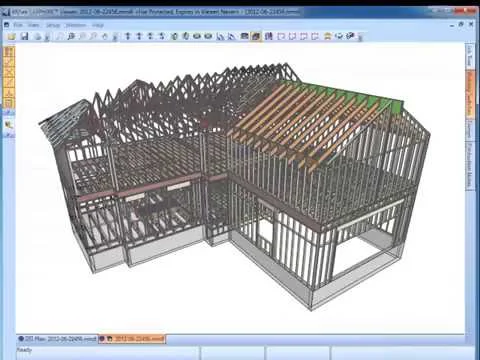
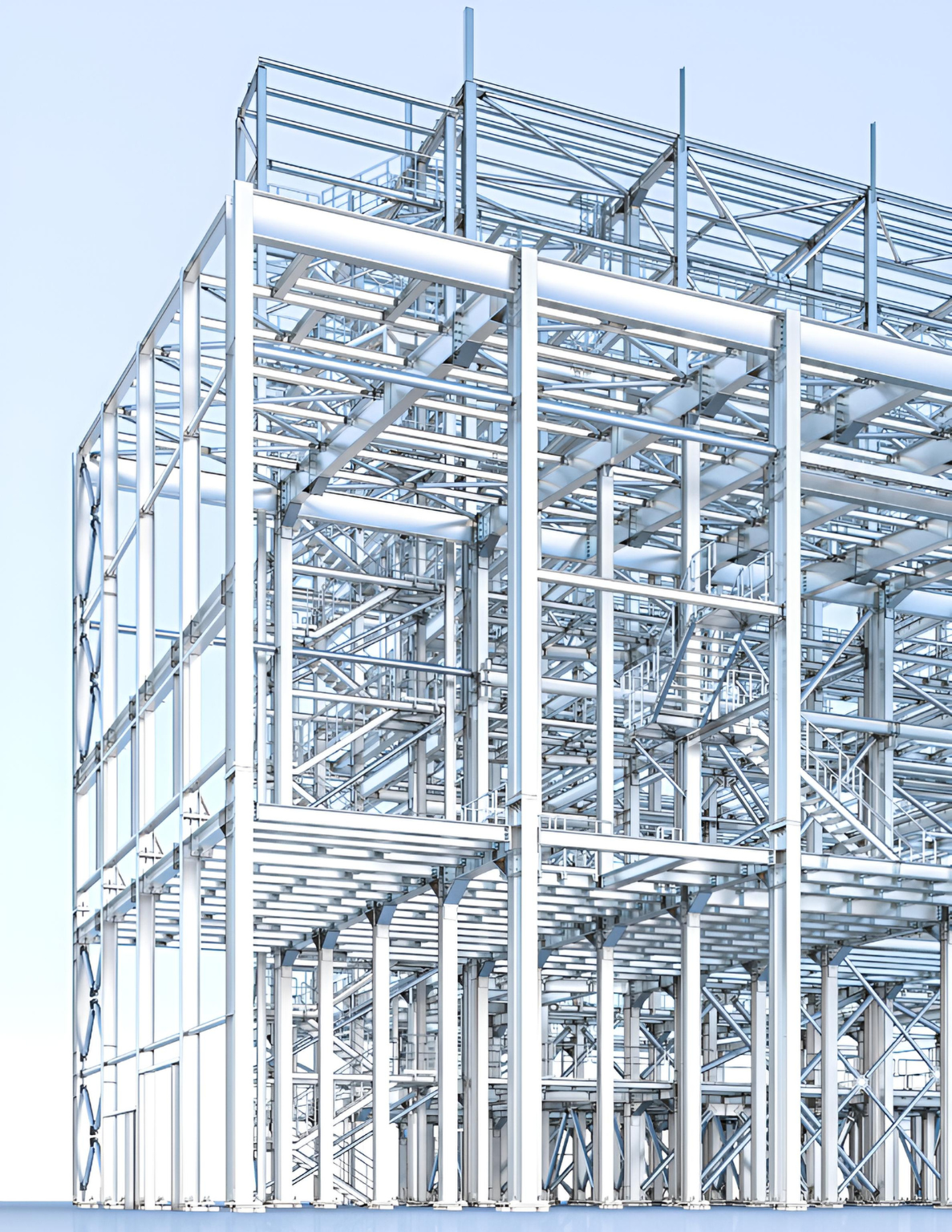
Many people think detailing begins and ends with drawings. That view is becoming outdated. That is one reason many developers and contractors looking for steel detailing near me are paying closer attention to how detailing supports coordination, procurement, and long-term project visibility.
When models, drawings, and fabrication information align correctly, teams spend less time chasing answers. Fabricators have fewer questions. Procurement teams work with greater confidence. Project managers gain better visibility into schedules and budgets.
The impact becomes even more important when traceability enters the conversation.
Accurate detailing helps ensure that project information flows correctly from design through fabrication. That reduces confusion and strengthens accountability throughout the process.
For investors and project owners, that level of control matters. Uncertainty creates risk. Clear information reduces it.
Many companies view sustainability as a compliance requirement. Leading firms view it as an efficiency opportunity.
The cost of that waste extends beyond materials. It affects schedules, labour, productivity, and profitability.
Precise detailing helps address those issues before fabrication begins.
When steel members are modelled correctly, quantities are accurate, and coordination happens early, fewer resources are lost correcting avoidable mistakes. That benefits sustainability goals.
The strongest business case for better detailing has always been efficiency. Green steel simply brings more attention to it.
Manufacturers are paying closer attention to how projects are delivered.
Many fabricators are investing in technology, automation, and improved production workflows. Those investments require accurate information from the start.
Poor drawings can disrupt an otherwise efficient manufacturing process. Incomplete models can create delays.
Late revisions can force production changes that affect schedules and costs.
As manufacturing becomes more sophisticated, the value of reliable detailing increases.
This is one reason companies are placing greater emphasis on experienced drafting and modelling partners, whether through internal teams or CAD drafting outsourcing solutions. The goal is not simply to produce drawings.
Investors rarely focus on detailing. At least not directly. What investors focus on is risk.
Green steel and traceability requirements introduce new variables into construction projects. Teams that manage those variables effectively will have an advantage.
Strong detailing and CAD design services contribute to that effort by improving coordination, reducing waste, and supporting better project planning.
It may seem like a small part of the construction process. In reality, it influences decisions that affect every phase of a project.
Construction is entering a period where information is becoming as valuable as materials. Projects are becoming more data-driven, and owners are demanding greater transparency. Investors want stronger forecasting, while the manufacturers want better coordination.
These changes will continue regardless of how quickly green steel adoption grows. The companies that prepare now will be in a stronger position later. That preparation starts with reviewing the systems and workflows that support project delivery.
Construction is entering a period where information is becoming just as valuable as the raw materials. Projects are turning completely data-driven, owners are demanding real transparency, and fabricators need flawless coordination to keep their shops running smoothly.
These changes are happening right now, whether green steel takes over tomorrow or ten years from now. The forward-thinking firms preparing today are the ones who will hold all the options tomorrow. And honestly, that preparation doesn't require reinventing the wheel; it just starts with taking a hard look at the drafting workflows supporting your project delivery.
At the end of the day, green steel isn't just a sustainability checkbox; it’s a wake-up call for smarter project management. If you are currently searching for steel detailing near me, you’re likely looking for more than just a set of lines on a page. You need a partner who can help eliminate waste, spot data blind spots, and give you total confidence before a single piece of steel gets fabricated. That’s exactly where we come in. At Drafting Consultants, we blend smart technology with real-world human expertise to keep your project moving forward, on time, and completely on budget.
Improve coordination, accuracy, and project delivery with Drafting Consultants.
How can green steel requirements affect project budgets?
Green steel is just one small slice of the whole cost discussion. A lot of project teams tend to zoom in on the material pricing, while they almost miss the extra coordination, paperwork, and procurement steps that usually show up with traceability needs. And when the project details get scattered or simply feel incomplete, delays can start popping up during approvals, fabrication, or procurement. Getting the information down in an accurate way helps build a more lucid view of the amounts, materials, and the project’s real requirements, so owners and investors end up with a better sight into possible costs before trouble begins.
Why is traceability becoming more important in construction projects?
More project owners, investors, and developers want greater transparency throughout the construction process. Material sourcing, manufacturing records, and sustainability reporting are becoming part of project discussions much earlier than before. Traceability helps stakeholders understand where materials come from and how project decisions align with broader business goals. A well-organized detailing process supports that effort by creating reliable project information from the start.
How does precise detailing help reduce material waste?
Material waste often begins long before fabrication starts. Incorrect quantities, coordination errors, drawing revisions, and missing information can all lead to unnecessary material usage. Precise detailing really helps with accuracy across the whole project life cycle, and it gives teams a chance to catch problems before steel even reaches the shop floor. With Drafting Consultants, the intent is to support project teams in making more informed decisions earlier on, so the team can cut down those expensive rework cycles and end up with better overall project efficiency.
Why are investors paying more attention to construction workflows?
Investors are increasingly focused on project certainty. Schedule delays, budget overruns, and coordination issues can directly affect financial performance. As construction projects become more complex, workflows and CAD drafting outsourcing strategies play a larger role in determining project outcomes. Strong detailing, accurate modelling, and better coordination provide greater visibility into project risks. That visibility helps investors make more informed decisions while improving confidence in project execution.
How can drafting support improve project planning?
A strong drafting partner providing CAD design services contributes more than drawings. Accurate models, coordinated documentation, and clear project information help stakeholders make decisions with greater confidence. Drafting Consultants works with construction professionals who want better visibility into project requirements before fabrication begins. When teams have reliable information early, planning becomes more effective, schedules become easier to manage, and costly surprises become less common.
What should construction companies do to prepare for future industry changes?
The most successful companies focus on improving processes before industry changes force adjustments. Reviewing detailing workflows, like tuning the steps a bit, strengthening project coordination, improving information management, and investing in technology, can all help future growth, even if it feels a little slow at first.