Digital design workflows in construction create a common platform that architects and engineers can access to track updates on all project details. The shared system eliminates misunderstandings while enhancing decision-making speed and maintaining team synchronization. The shared model between both teams enhances project coordination, which leads to decreased errors and smoother project advancement.
Construction projects involve many moving parts. Architects focus on design intent. Engineers focus on structure and performance. When communication breaks, gaps appear between those two roles. A digital workflow closes that gap. It connects ideas, drawings, and changes into one clear process that everyone follows.
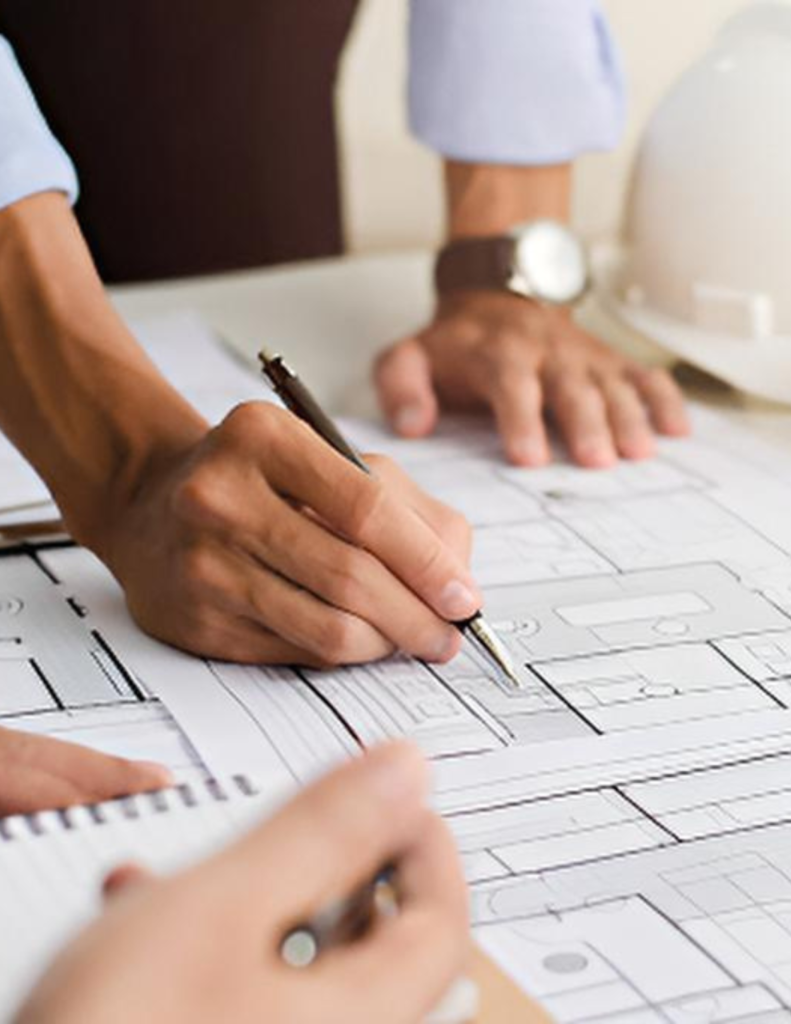
Old methods rely on emails, separate drawings, and long review cycles. That process creates delays and confusion. A small design change can take days to reach every team member. Therefore, mistakes show up late, often during construction.
Digital systems replace that slow process with real-time updates. Everyone sees the same version of the design. That simple shift removes guesswork and keeps work aligned across teams.
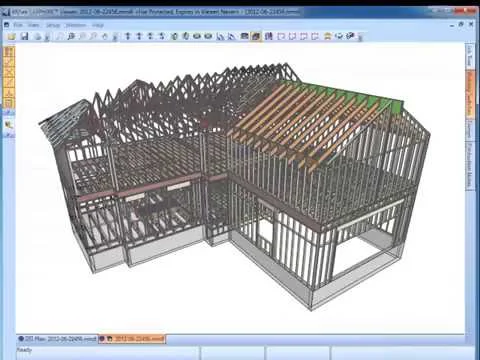
A digital workflow connects design, review, and execution into one system. It allows architects and engineers to work together in real time. Using construction design workflows keeps all data organized and easy to access.
These workflows support collaborative design workflows where every update becomes visible instantly. A structural change is reflected in the design model right away. That connection keeps both teams on the same page from start to finish.
Coordination improves when information flows smoothly. A digital model acts as the central source of truth. Every drawing, note, and update stays connected to that model. Moreover, teams can review and adjust designs without delay.
Using digital workflows in construction projects allows faster feedback between architects and engineers. Each change gets reviewed in context, which reduces confusion and improves decision-making.
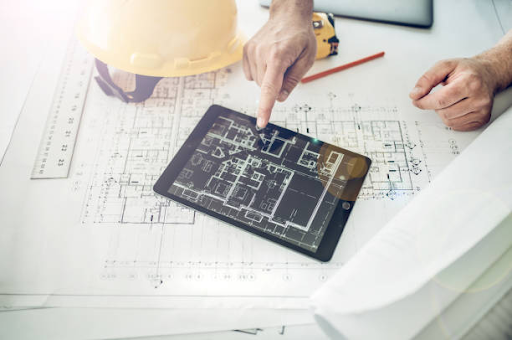
CAD tools play a major role in digital coordination. Services like CAD design services create detailed and accurate drawings that support both design and engineering needs. These drawings form the base for clear communication.
Outsourcing tasks through CAD drafting outsourcing helps teams manage workload and maintain consistency. This approach keeps projects moving without slowing down internal teams.
Visual clarity improves coordination even further. Using architectural 3d rendering services allows teams to see how designs will look in real conditions. That visual layer helps both architects and engineers understand spatial relationships clearly.
A strong visual model reduces confusion during discussions. It brings design intent and structural logic into one clear view. Hence, both sides make better decisions with fewer revisions.
BIM plays a key role in modern coordination. A BIM workflow in construction connects design data, materials, and structural details into one intelligent model. Every team member interacts with the same data set.
This system improves tracking and coordination across all phases. Using a strong design workflow in construction ensures that updates stay consistent and accurate throughout the project lifecycle.
The biggest impact shows during design changes. In traditional systems, changes take time to communicate. In digital workflows, updates happen instantly. That speed prevents delays and reduces rework.
Using collaborative design workflows and digital workflows in construction projects helps teams respond quickly to new requirements. That flexibility keeps projects moving without disruption.
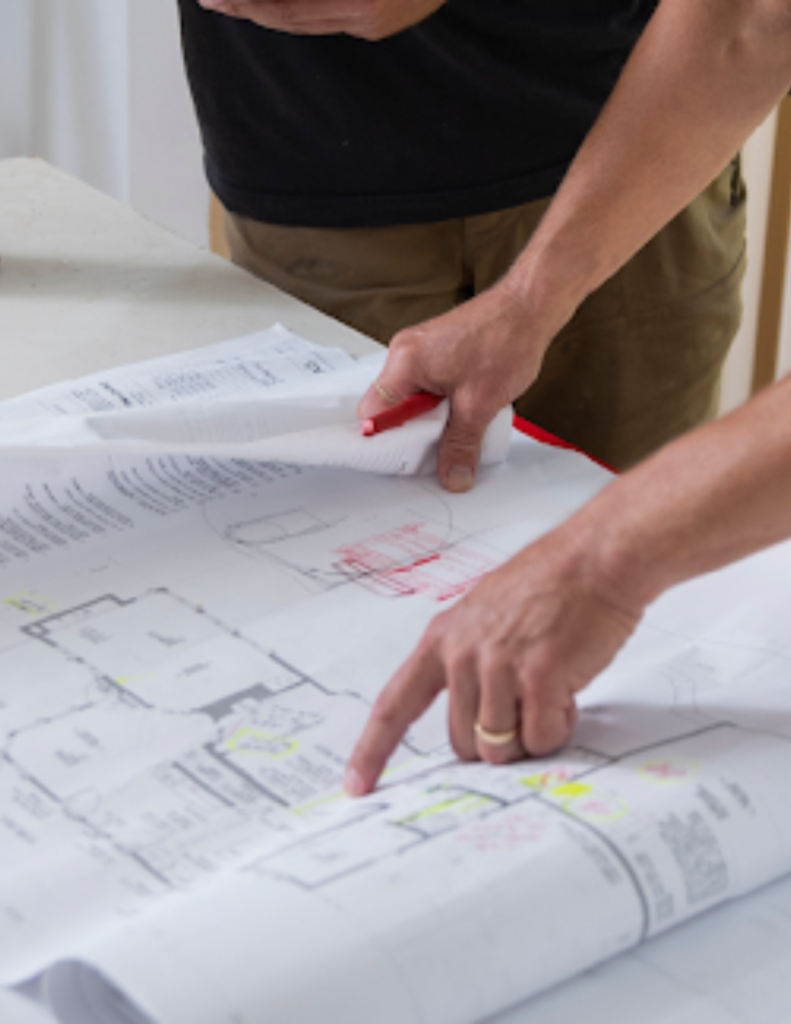
Coordination between architects and engineers defines project success. A connected system removes confusion and builds clarity at every step. Digital design workflows in construction create that connection by bringing all teams onto one platform.
For teams aiming to improve coordination and reduce costly mistakes, working with Drafting Consultants brings the right expertise and digital workflow support.
What are digital design workflows in construction?
Digital design workflows in construction connect design, review, and execution into one system. These workflows help teams share updates and work on the same model. Drafting Consultants uses this approach to improve coordination. Clear workflows reduce confusion and support better communication between architects and engineers during every project phase.
How do digital workflows improve team coordination?
Digital workflows improve coordination by providing real-time updates across teams. Using digital workflows in construction projects helps architects and engineers stay aligned. Drafting Consultants applies this method to simplify communication. Each update becomes visible instantly, which supports faster decisions and reduces delays during project execution.
Why is collaboration between architects and engineers important?
Strong collaboration ensures that design intent matches structural requirements. Using collaborative design workflows improves communication and coordination. Drafting Consultants supports this approach for better results. Clear collaboration helps teams avoid conflicts, reduce errors, and deliver projects that meet both design and engineering standards.
What tools are used for digital design coordination?
Digital coordination uses tools like CAD software and modeling platforms. Services such as CAD design services create accurate drawings for better communication. Drafting Consultants uses advanced tools to support coordination. These tools help teams share updates, review designs, and maintain consistency throughout the project lifecycle.
Can digital workflows reduce construction errors?
Digital workflows reduce errors by keeping all data connected and updated. Using BIM workflow in construction helps detect issues early in the design stage. Drafting Consultants applies this method to improve accuracy. Early detection reduces rework and supports smoother project execution.
How do visual models improve coordination in construction?
Visual models provide a clear view of design and structure together. Using architectural 3d rendering services helps teams understand spatial details easily. Drafting Consultants uses visual models to improve clarity. This approach reduces confusion and supports better coordination between architects and engineers.