Construction projects rarely fall apart because of one big, dramatic mistake. More often, things slip because of small details that were overlooked somewhere in the process. One of the biggest culprits? Poor construction project submittals.
It sounds like a simple administrative step. Send drawings, specs, and product data. Wait for approval. Move forward.
But in reality, submittals sit right at the center of coordination between architects, contractors, engineers, and fabricators. If something goes wrong here, delays ripple across the entire jobsite.
And yes, it happens more often than most teams like to admit.
Let’s talk honestly about why construction project submittals fail, and what experienced drafting professionals do differently to keep projects moving instead of stalling.
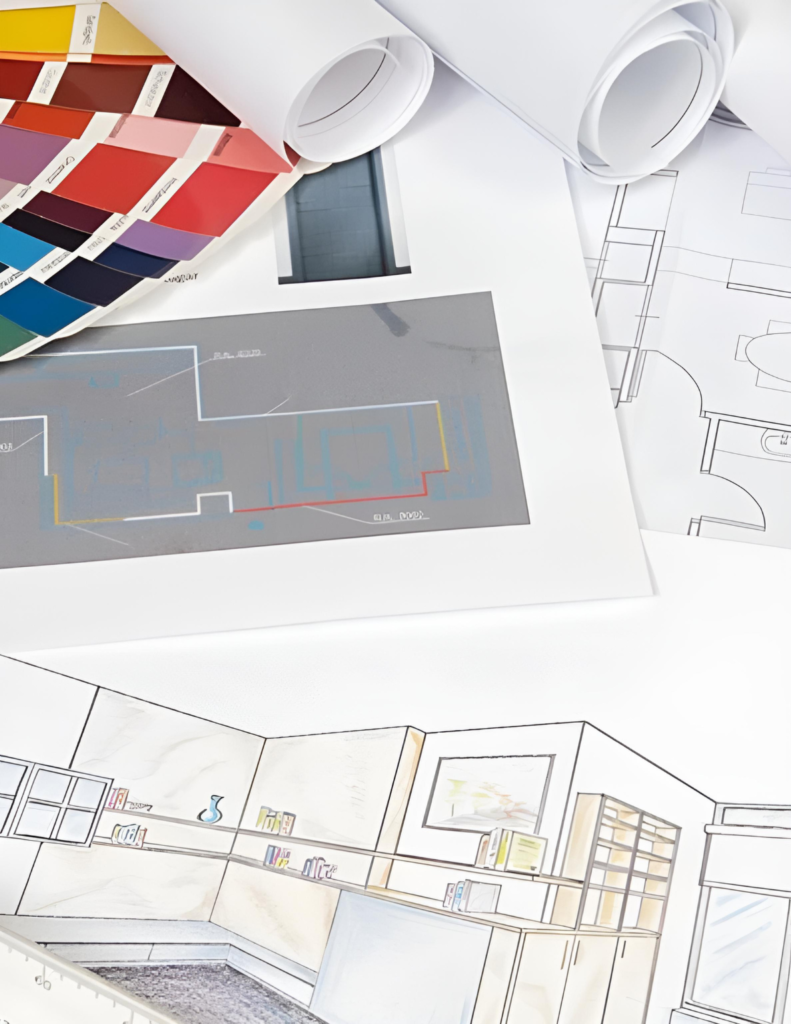
Simply put, construction project submittals are reports to architects or engineers, which are submitted prior to the commencement of work.
They establish that whatever is going to be installed on the sites is what is intended to be installed.
Common submittals of a construction project are such items as shop drawings, product specifications, material data, engineering calculations, and fabrication details. Even mockups or samples sometimes.
But here's the tricky part.
A submittal is not paperwork. It is one of the technical checks. It establishes that the structural elements, building materials, and fabrication techniques all match the design.
In case of an error in the wrong dimension of something, a wrong spec of material, or an incomplete drawing of the whole process, deceleration occurs. Reviews get rejected. Documents are rewritten by contractors. Weeks disappear.
That is why the management of construction project submittals is much more important than it might be supposed.
When construction submittals get rejected, the problem usually isn’t dramatic. It’s technical, detailed, and preventable.
One common issue is incomplete documentation. A contractor submits shop drawings but forgets supporting calculations or material specs. The reviewer sends it back immediately.
Another problem is mismatched design information. Drawings may not align with architectural plans, structural requirements, or building codes. Even a small dimension mismatch can cause rejection.
Then there’s coordination failure. Mechanical, structural, and architectural drawings sometimes contradict each other. When that happens, architects can’t approve the submittal because the design isn’t coordinated.
Poor drafting quality is another big factor. Rough sketches, unclear dimensions, or inconsistent symbols create confusion during review.
And honestly, time pressure doesn’t help either. When teams rush submissions just to “get them out,” mistakes slip through.
The result? Revisions, delays, and unnecessary cost increases.
Ironically, the very thing that causes delays when done poorly can actually prevent delays when done properly.
Accurate submittals eliminate confusion before materials are ordered or fabricated. That means fewer surprises during installation.
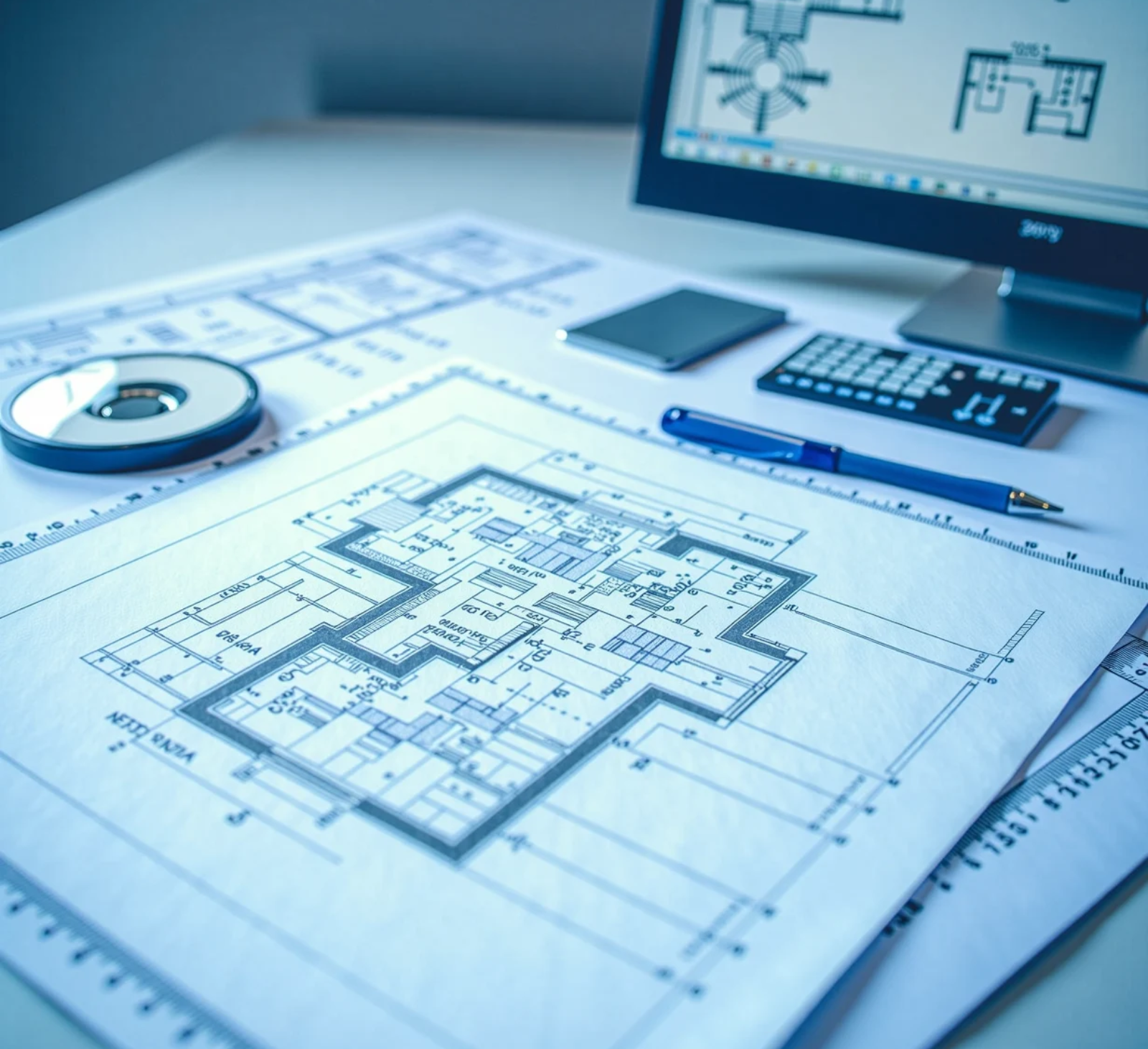
Detailed CAD drafting services also allow teams to detect design conflicts early. If a beam clashes with mechanical ducting, it gets fixed in the drawings not after steel arrives at the site.
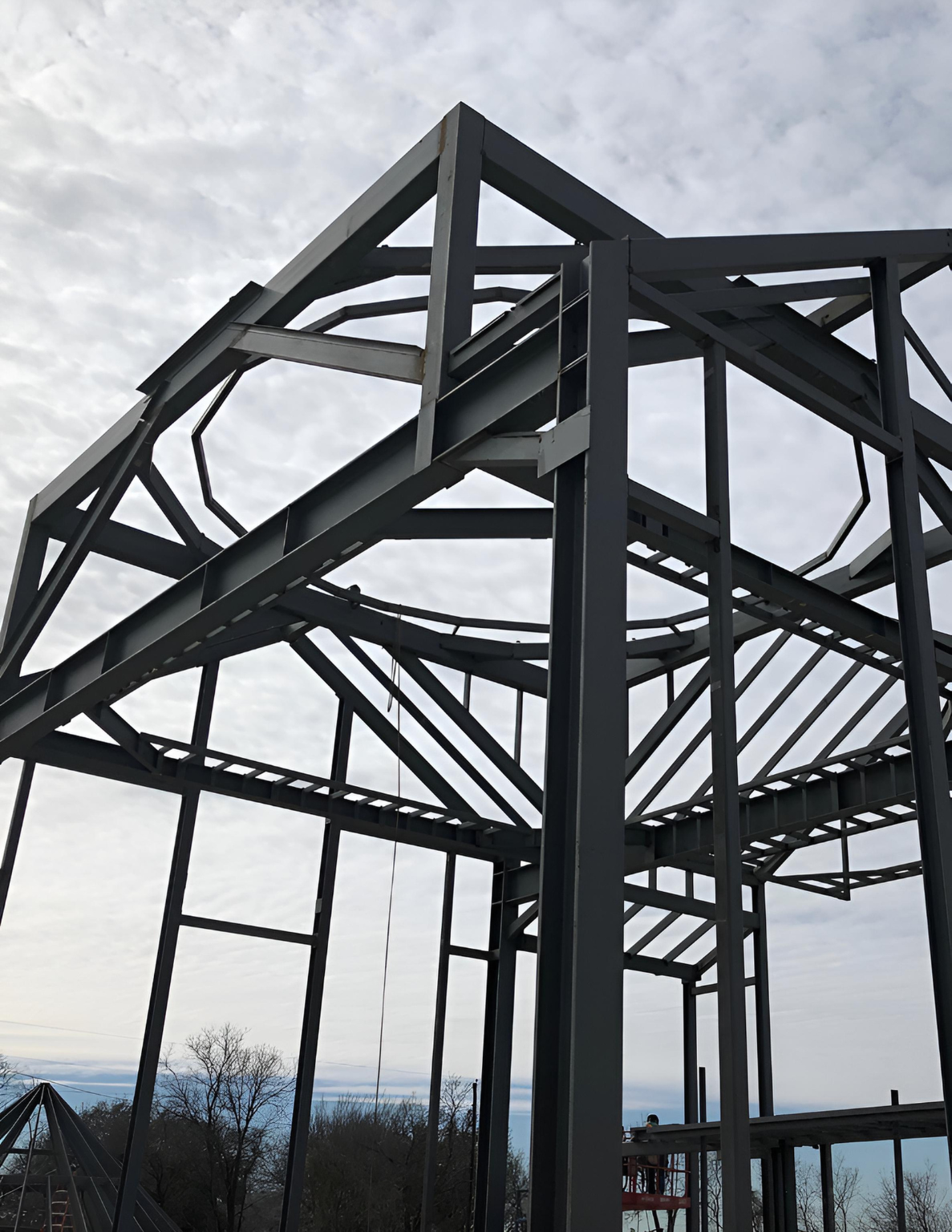
The same goes for steel detailing services and architectural drafting services. When these drawings are prepared with precision, reviewers can approve them faster because the information is complete and technically sound.
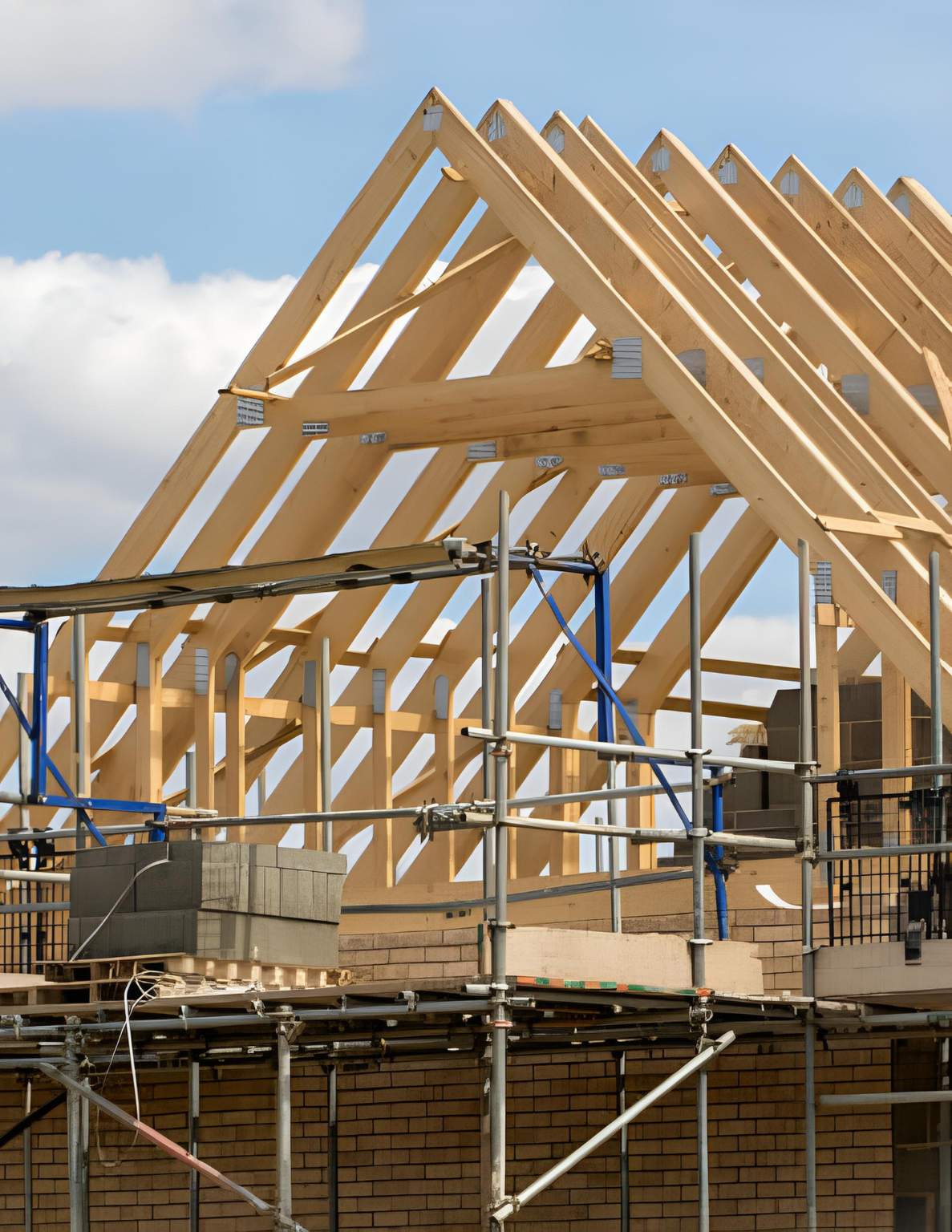
Proper roof truss design is another example. Without correct calculations and connection details, fabrication stalls. With accurate documentation, fabrication teams can move ahead confidently.
So yes, submittals can feel like paperwork. But they’re really a safeguard against expensive mistakes.
Paper-based submittals still exist in some places, but the industry is steadily moving toward digital construction submittals.
Digital workflows allow teams to share drawings instantly, track revisions, and manage approvals in real time.
Reviewers can mark corrections directly on digital drawings. Project managers can track the status of every submittal. Contractors know exactly what needs revision.
And perhaps most importantly, digital coordination improves collaboration between architects, engineers, and drafting teams.
It reduces confusion. It speeds up approvals. And it makes construction project submittal management far more organized.
Still, technology alone doesn’t solve the problem. Expertise does.
Most construction groups do not realize the reality behind the preparation of a technical submittal.
Shop drawings, structural details, or architectural plans should be drafted with accuracy. It also demands knowledge of engineering standards, fabrication limitations, and design purpose.
That is why professional drafting professionals are usually invited to manage the process.
Other companies, such as Drafting Consultants, directly cooperate with the contractors, architecture firms, and fabricators to execute correct technical drawings and documentation.
Our team offers CAD drafting, steel detailing, architectural drafting, and detailed roof truss design solutions that meet the requirements of the project.
It is not only the advantage of improved drawings. It has fewer revisions, more fluid approvals, and less time spent.
Having more than ten years of experience in the industry and having completed hundreds of projects, their team is aware of the technical aspect of the construction project submittals as expounded in practical situations.
Provided that you have sophisticated construction documentation to deal with and require accurate drafting services, you can take a look at our offerings at Drafting Consultants.
Outsourcing technical drafting is not always convenient. It helps in avoiding expensive errors prior to getting to the workplace.
Construction projects already have enough moving parts. Weather delays. Material shortages. Scheduling conflicts.
Submittals shouldn’t be another headache.
When documentation is accurate, coordinated, and professionally drafted, approvals happen faster. Fabrication begins sooner. Installation flows without interruption.
That’s the quiet role construction project submittals play behind the scenes.
They keep teams aligned, designs verified, and projects moving forward instead of backward.
And in an industry where delays can cost thousands per day, getting submittals right isn’t optional anymore. It’s essential.
If your project requires precise drafting support, experienced technical drawings, or reliable submittal preparation, connect with the experts at Drafting Consultants today.
Because in construction, the smallest details often decide whether a project stays on schedule… or doesn’t.
Most of the causes are due to submittals of construction projects that are either incomplete or erroneous. Certain requirements are not met, there are poor shop drawings, wrong dimensions, or bad design details, and they are rejected. In other cases, it is just a matter of bad coordination of architectural, structural, and mechanical drawings. In case the documentation is not clear or technically consistent, the reviewers tend to send it back to make corrections.
Clear documentation presents what the reviewers require to pass through the designs in a fast fashion. The review process is made less confusing by careful material specification, detailed drawings, and proper engineering data. Once all the information is arranged and all the information is provided, less time is spent asking for revisions by the architects and engineers. Consequently, decision-making within an organization is accelerated, and construction timelines remain within schedule.
Design intent is converted into more specific technical drawings by drafting specialists to be physically used by the contractors and fabricators. Their labor makes sure that dimensions, materials, and structural information are as per the project. CAD drafting, steel detailing, and architectural drafting are some of the services that are used to ensure that mistakes are preempted before construction is done. Such experience will significantly decrease the likelihood of rejection of the submittal.
Digital submittal systems enable the team to fasten the process of uploading, reviewing, and revising documents without the use of slow paper processes. It is now possible to directly mark corrections because the digital drawings can be sent instantly to architects and engineers. Contractors have the ability to monitor the approval statuses on an automatic basis and can respond to changes much faster. Lean communication is a major contributor to time wastage in the project schedule.