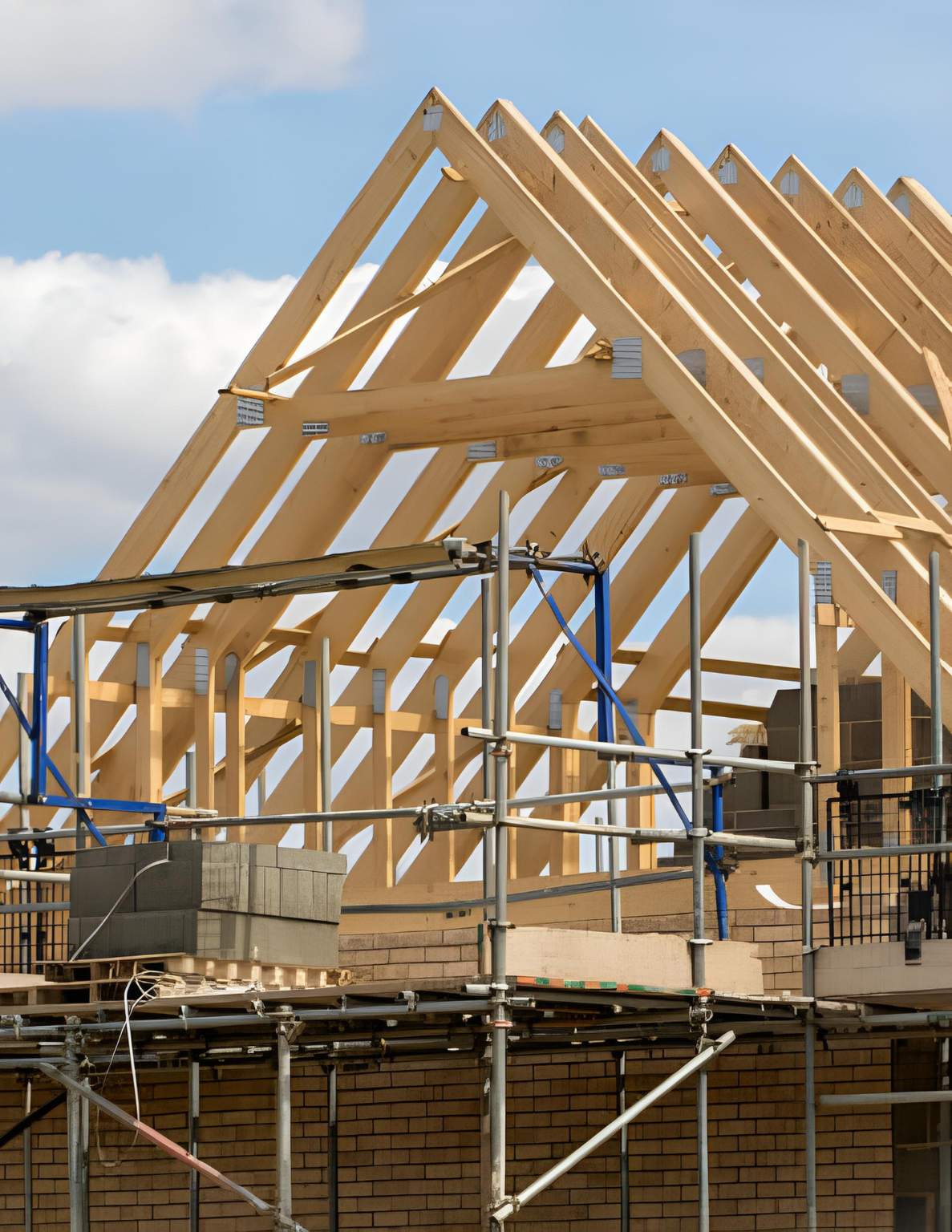
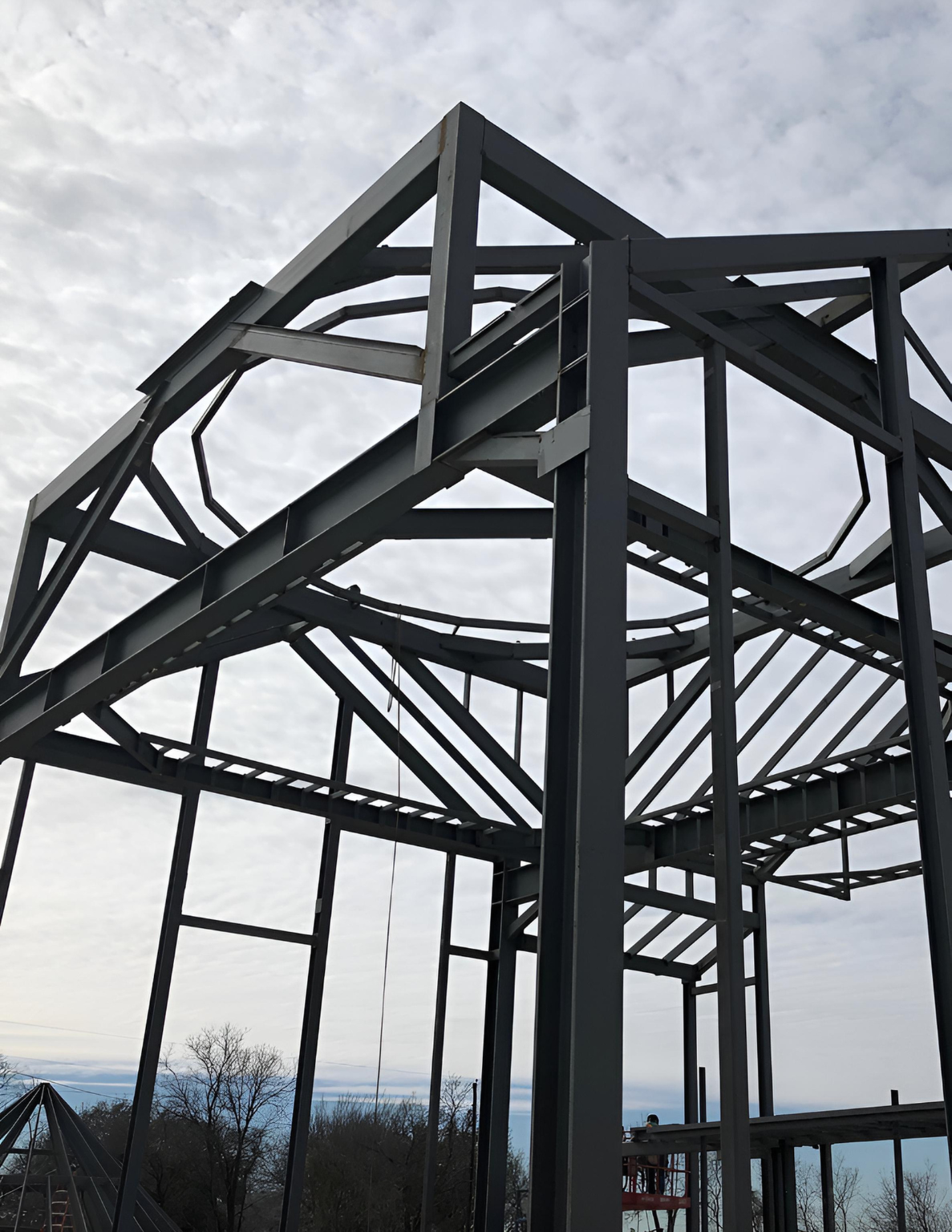
Choosing the right truss structure design isn’t one of those decisions you want to rush through. It looks simple on paper: pick a truss, draw it, and move on. But in real projects, especially steel structures, that choice can affect cost, build time, load performance, and how many headaches you’ll deal with later.
I’ve seen projects where the wrong truss layout added weeks of revisions. Not because the engineer was careless. Just because the truss type didn’t match the span, load, or actual use of the building. That’s where good planning, accurate structural steel drawings, and experienced drafting support make all the difference.
In this guide, we’ll break down the most common steel truss structure design options, when each one works best, and how professional drafting plays a bigger role than most people expect.
A truss isn’t just a roof frame. It’s a load-handling system. Every member of the top chord, the bottom chord, and the web exists for a reason. Change one angle or spacing, and the force path changes too.
Steel truss structure design is popular because steel handles tension and compression efficiently. It allows longer spans, fewer interior columns, and cleaner layouts. But those benefits only show up when the truss type is chosen correctly and detailed properly.
That’s where structural steel drawings come in. They turn design intent into something fabricators and installers can actually use. Without clear drawings, even a good truss design can fall apart in the field.

Let’s talk practical use, not textbook theory.
The Pratt truss is a favorite in steel structures, especially for industrial buildings, warehouses, and bridges. Its diagonal members handle tension, while verticals take compression. Steel is great in tension, so this setup just makes sense.
Best used when:
From a drafting standpoint, Pratt trusses are clean in detail. Connection points are predictable, which helps reduce errors in structural steel drawings.
The Howe truss flips the force logic. Diagonals take compression, and verticals take tension. In steel construction, this usually means heavier members, which can drive up material costs.
Best used when:
These trusses demand very accurate detailing. A small drafting mistake in member sizing or connection geometry can cause big coordination issues later.
The Warren truss uses equilateral triangles and no vertical members. It’s efficient, lightweight, and looks clean. You’ll see it often in steel roof truss systems where uniform loads are expected.
Best used when:
This design relies heavily on precision. Even spacing and consistent angles must be reflected perfectly in the truss structure design drawings.
Fink trusses are common in roof structures, especially where pitched roofs are involved. In steel construction, they’re used for commercial and industrial roofing where load distribution needs to stay balanced.
Best used when:
Drafting accuracy is critical here. Roof slopes, connection nodes, and bearing points all need to be crystal clear in the drawings.
A lot of people treat drafting as a final step. Something that happens after decisions are made. That’s usually a mistake.
Good structural steel drawings catch problems early:
At Drafting Consultants, steel truss projects are handled with this mindset. Drafting isn’t just documentation; it’s part of quality control.
There’s no universal “best” truss. The right one depends on real-world conditions.
Ask these questions early:
Steel truss structure design works best when these questions are answered before drafting begins. That’s why outsourcing drafting to specialists who understand steel behavior can save both time and money.
Some firms try to do everything. Wood, steel, concrete, light framing, heavy framing. That often leads to shallow expertise.
Drafting Consultants only works with steel truss structures.
That focus shows up in:
Their team produces precise structural steel drawings that align with industry standards and real construction workflows.
📞 Need expert steel truss drafting? Call (800) 494-6186
2D drawings still matter. But 3D modeling adds another layer of accuracy.
With 3D steel truss models:
Drafting Consultants will apply 3D modeling in their truss structure design when required, particularly in complex or large-scale designs.
In case your project requires steel truss drawings that are error-free and provide a clear visualization in 3D, Drafting Consultants can assist you with it, from the very conception until the final delivery.
Let’s be blunt. Most truss problems aren’t structural failures. They’re communication failures.
Common issues include:
Professional drafting eliminates these problems before steel is ever cut.
Outsourcing isn’t about cutting corners. It’s about scaling smart.
Outsourced drafting works well when:
Drafting Consultants supports architects, engineers, and contractors across the USA and Canada with reliable, online drafting services that don’t compromise quality.
The structural foundation is determined by the type of truss that you are using. Your choice of drafting partner dictates the level of smooth running of the project.
The design of the steel truss structure requires accuracy. There is an experience required in structural steel drawings. When both are managed properly, the projects will run quickly, will cost less, and will bring fewer problems in the future.
In their desire to have steel truss drawings right the first time, it pays to do business with those who do this daily.
Looking for accurate, high-quality steel truss structure design and structural steel drawings?
Let Drafting Consultants handle your steel truss drafting with precision, speed, and real-world expertise.
🔗 Request a Quote: https://www.draftingconsultants.com/
📞 Call Us: (800) 494-6186
Drafting Consultants specializes in steel truss structure design, roof trusses, and custom steel structures in commercial and industrial projects only.
Structural steel drawings are drawings that translate the intent of the design into instructions that can be built. They minimize errors, avoid fabrication problems, and enhance on-site efficiency.
Yes. To make sure that their team is precise and that the work is conducted in coordination, their team works on the complex trusses of steel on a regular basis using the efficient tools of CAD and 3D modeling.
Absolutely. Drafting Consultants offers scrupulous truss shop drawings, including the sizes of the members in the truss, connections, and clarity of the installation process.
In many cases, yes. The advantages of outsourcing are that it helps to minimize the number of reworks, reduces time, and enhances the quality of the final project.