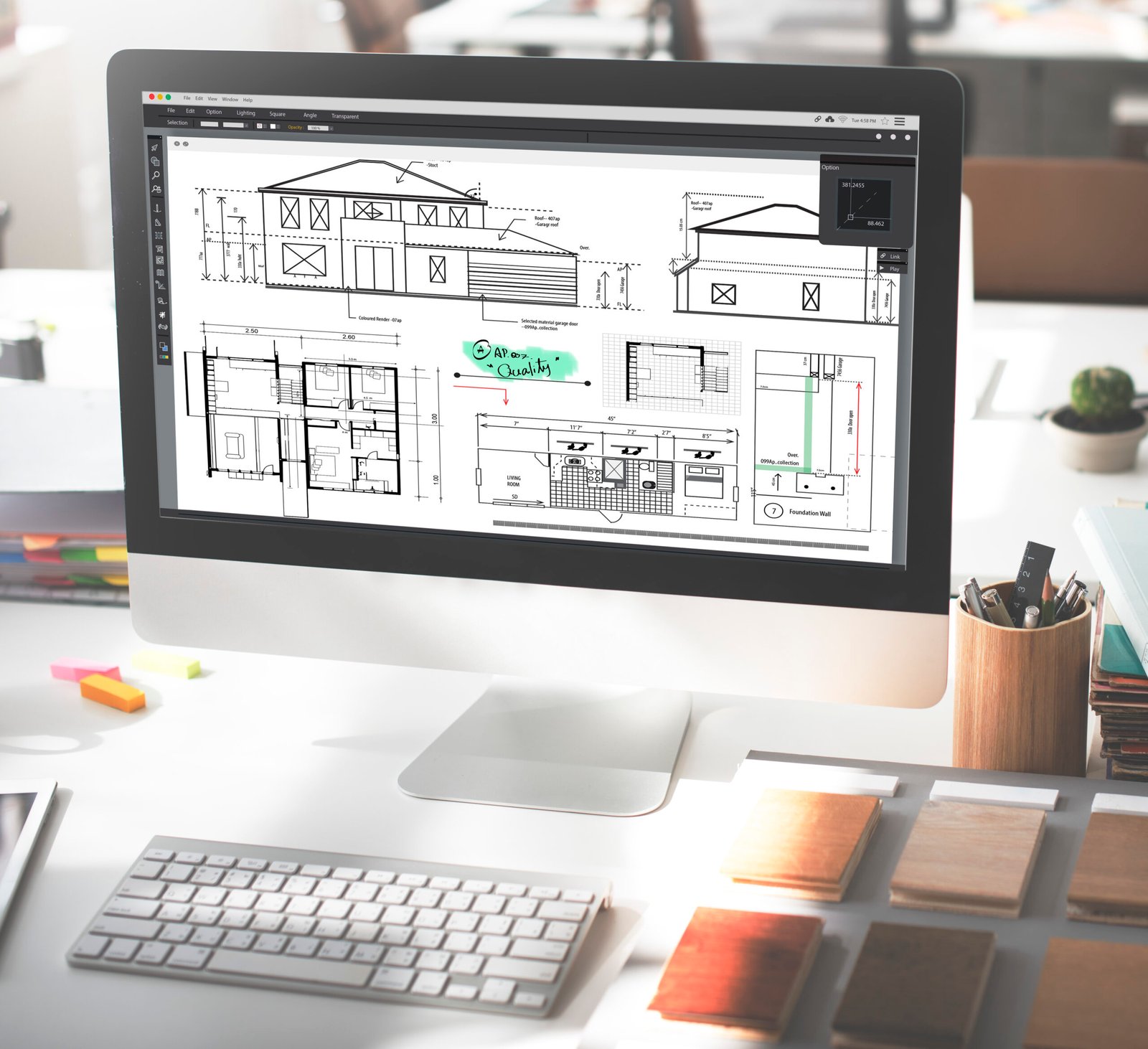
Interior design isn’t just about picking finishes and moving furniture around. That part is fun, sure. But behind every smooth-looking space is a stack of technical plans doing the heavy lifting. Miss one, and things get messy fast: wrong measurements, contractor confusion, budget blowouts, you name it.
If you’re working on an interior project in a city like San Francisco, where codes are strict and timelines are tight, the solid technical documentation San Francisco projects rely on is non-negotiable. The same goes for clean, accurate CAD design in San Francisco. These aren’t “nice to have” files. They’re survival tools.
Let’s break down the essential technical plans every interior design project actually needs and why skipping any of them usually comes back to haunt you.
This is where everything starts. Before new ideas, before layouts, before mood boards.
Existing conditions drawings show what’s really there right now, not what someone thinks is there. Walls, columns, windows, doors, ceiling heights, plumbing points, and electrical locations. All of it. Measured properly.
In older San Francisco buildings, this step matters even more. Nothing is ever perfectly square. Walls lean. Columns pop up where you didn’t expect them.
Without accurate existing condition drawings, every plan that follows is basically a guess.
This is where experienced CAD teams, like Drafting Consultants, earn their keep. Clean CAD documentation upfront saves weeks of rework later.
Once you know what exists, you decide how the space actually functions.
Space planning drawings define:
These plans answer real-world questions:
Can two people pass each other here?
Does that door actually open fully?
Is this workstation jammed too close to the wall?
In CAD design for San Francisco projects, space planning needs precision. Contractors, furniture vendors, and inspectors all rely on these layouts. Loose sketches don’t cut it.
A proper CAD-based layout keeps everyone aligned and avoids awkward on-site surprises.
Demolition plans show what’s getting removed. Sounds simple, but it’s not.
They clearly mark:
Without clear demolition drawings, contractors start guessing. And guessing leads to over-demo, delays, and expensive “oops” moments.
Good technical documentation: San Francisco projects always separate demo plans from new construction drawings. Clean separation = fewer mistakes.
This is the backbone of your interior design documentation.
Construction plans show:
These drawings must align with local codes and engineering requirements, especially in California.
Accurate CAD drafting ensures walls land exactly where they should. Even being off by an inch can snowball into major problems later.
If you’re outsourcing drafting, this is where working with a professional team like Drafting Consultants makes life easier. They understand construction logic, not just drawing lines.
Ceilings get ignored until they don’t.
Reflected ceiling plans show:
RCPs coordinate multiple trades at once. Electrical, mechanical, and fire safety all depend on these drawings.
In tight urban builds, missing or sloppy RCPs are a fast way to delay inspections.
Strong CAD design in San Francisco includes detailed ceiling coordination so nothing clashes above your head.
Lighting is emotional. Electrical is practical. Both need precise drawings.
Electrical and lighting plans include:
These drawings make sure:
In San Francisco projects, compliance matters. Clean technical documentation, San Francisco teams deliver drawings that inspectors can actually approve without back-and-forth.
FF&E plans go deeper than space planning.
They lock down:
This is especially critical for commercial interiors, hospitality, and offices. One wrong dimension and a custom item doesn’t fit. And returns? Not happening.
FF&E plans created in CAD reduce those headaches.
Plans alone don’t tell the full story.
Elevations and sections show:
Contractors depend on these drawings to build what you actually designed, not what they assume you meant.
This is where high-quality CAD design San Francisco teams stand out. Sloppy elevations equal sloppy installs.
If your project includes custom cabinetry, shelving, or built-ins, generic drawings won’t cut it.
Millwork drawings specify:
These are shop-level documents. Fabricators rely on them to build accurately.
Outsourced drafting teams like Drafting Consultants regularly handle this level of detail, helping designers avoid costly remakes.
3D models aren’t only for client presentations.
They help:
Especially in tight interiors, 3D CAD modeling highlights problems before construction begins. That’s real savings, not just nice visuals.
Professional CAD design in San Francisco workflows often combines 2D drawings with 3D checks for accuracy.
Interior projects today move fast. Budgets are tight. Timelines are tighter.
Clean technical documentation:
When documentation is weak, everyone pays for it: designers, clients, and builders.
That’s why many firms choose to outsource drafting to specialists. Teams like Drafting Consultants focus entirely on accuracy, coordination, and delivery. No ego. Just solid drawings.
If you’re feeling overwhelmed juggling design and documentation, it might be time to hand off the drafting.
Drafting Consultants helps architects and interior designers outsource CAD work without losing control of design intent. You stay focused on creativity. We handle the technical grind.
Interior design projects don’t fail because of bad ideas. They fail because of missing details.
If you want fewer delays, fewer calls from contractors, and fewer “we need to fix this” emails, invest in proper technical plans from day one.
Strong technical documentation, San Francisco projects depend on experienced CAD professionals who understand how buildings actually get built.
Whether you’re scaling up or just need reliable support, outsourcing CAD design in San Francisco through a proven team can save time, money, and stress.
If accuracy matters, it should work with a drafting team that treats details seriously.
📞 Call (800) 494-6186
🌐 Visit Drafting Consultants
💬 Request a quote and get dependable CAD drafting that actually works on site.
Technical documentation includes existing conditions, layout plans, demolition drawings, construction plans, reflected ceiling plans, electrical layouts, elevations, sections, and detailed millwork drawings.
San Francisco projects require precision due to strict codes, tight spaces, and inspections. CAD design ensures accuracy, compliance, and smoother construction.
Yes. When working with experienced teams like Drafting Consultants, designers retain full creative control while draftsmen handle technical execution.
Not always, but they’re extremely helpful for coordination, clash detection, and client understanding, especially in complex interiors.
Outsourcing reduces in-house workload, prevents costly errors, and speeds up project timelines by catching issues early through precise documentation.